November 17, 2026
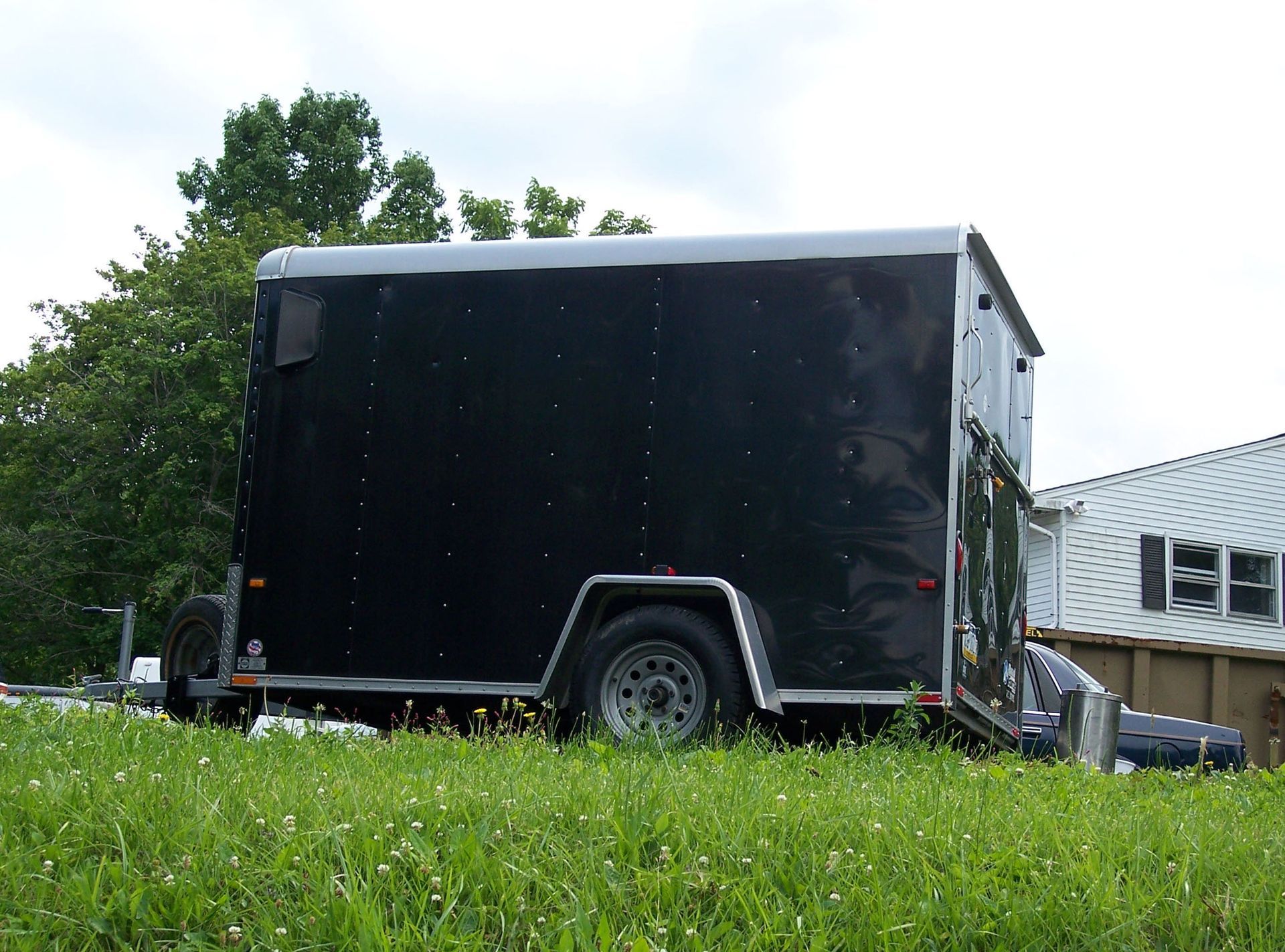
Enclosed trailers are versatile and robust transport solutions, designed to protect goods from weather elements and theft, making them a significant asset in personal, professional, and industrial contexts. Often utilized for moving and storage, these trailers come in various shapes, sizes, and configurations to suit different needs. Choosing the right enclosed trailer is crucial, as it not only impacts the efficiency of transporting goods but also influences aspects such as durability, cost-effectiveness, and safety. This article aims to guide you through the decision-making process, ensuring that you select a trailer that aligns with your specific requirements and gives you the best value for your investment. Understanding the types of activities your trailer will support can further refine your choices, matching function with form. Delving into the specific climate and road conditions you'll encounter will help tailor your decision even further. Enclosed trailers often double as a marketing space or mobile operation base, making their strategic selection vital for business growth. As technology in trailer manufacturing evolves, staying informed about innovations ensures that your investment remains competitive and efficient.
Determine Optimal Size
When selecting an enclosed trailer, one of the primary considerations is the size. The right size depends largely on the type and amount of cargo you plan to transport. To avoid frequent trips, it is essential to consider the anticipated capacity requirements. For example, someone in the motorcycle transportation business might need a smaller trailer compared to a contractor hauling large construction equipment. It is important to measure the items you need to carry, keeping in mind their height, width, and length, and compare these with the trailer’s interior dimensions to ensure a proper fit without overloading. Additionally, considering future growth and potential cargo changes can lead to a wiser investment decision. Assessing how often you will need to load or unload can influence a choice towards certain door styles or configurations. Remember to factor in parking and storage space, along with local transportation regulations, to optimize your choice. Planning for unforeseen circumstances, such as needing to transport unexpectedly large items, can further influence size decisions.
Beyond the cargo, consider tow vehicle specifications. Your vehicle’s maximum towing capacity will directly determine the size and weight of the trailer it can handle, preventing potential wear on the engine and transmission. Remember, according to World Metrics, enclosed trailers constitute about 38% of the total rental market. This popularity underscores the importance of choosing a size that best fits your unique needs to take full advantage of ownership or rental opportunities. Matching your trailer size to your tow vehicle can prevent safety hazards and extend the lifespan of both assets. Evaluations of fuel consumption changes under different loads and conditions may also inform your size decision. Consider potential business expansions or changes to personal use when determining the most adaptable size. Make a point to check for any restrictions or permits required for your chosen trailer size to ensure compliance with all regional regulations.
Evaluate Important Features
Enclosed trailers boast a variety of features that cater to different uses. Before making a purchase, consider features such as the door style, ventilation, and interior lighting. Ramp doors can facilitate easier loading and unloading of heavy equipment, while barn doors might offer convenience for frequent access. Ventilation is also critical, especially when transporting sensitive goods that may suffer damage due to heat or lack of airflow. Incorporating vents or windows can help maintain a stable internal environment. Evaluating lock and latch mechanisms goes a long way in protecting your investment and enhancing security. Trailers with modular interior designs offer a flexible work and storage space that can adjust to your specific requirements. Pay attention to exterior build quality and weather-resistant coatings to prolong the trailer's life. Incorporate feedback from previous users or industry experts to understand the practical implications of various features in real-world scenarios.
Interior lighting is another feature to consider. Proper lighting can greatly enhance visibility inside the trailer, particularly at night or in poorly lit conditions. This is essential for safety and for performing any needed checks on your cargo en route. Furthermore, consider customizable options like interior shelving for tool organization or securing tie-down points that enhance utility and safety for diverse applications. Seek out trailers with integrated technology, such as tracking systems or supportive apps to monitor conditions in real time. Accessibility is key when dealing with regular loading and unloading, so ensure the interior layout accommodates frequent movement. Add-ons like insulated panels can safeguard delicate cargo from temperature extremes during long hauls. The ability to tailor these features to your specific operational needs can significantly increase functionality and user satisfaction.
Ensure Durability and Safety
An enclosed trailer is a considerable investment, and like any valuable asset, it should be built to last. Durability starts with the trailer’s construction materials. A high-quality enclosed trailer would typically feature a galvanized steel frame for strength, partnered with aluminum or steel panels to resist corrosion. The choice of tires is equally important; they must support the full load without risk of blowouts. Regular maintenance checks, including inspecting welds, fasteners, and tire condition, can prevent mishaps and extend the trailer's life. Regularly updating any safety certifications or training on using your trailer efficiently is advisable. Maintaining thorough records of service and repairs ensures long-term reliability and resale value. Installing additional suspension systems might minimize wear from bumpy roads, prolonging the trailer's overall utility. Investing in comprehensive insurance coverage can be a wise decision to protect against unforeseen damage or loss.
Safety in enclosed trailers is multifaceted. Firstly, the trailer's braking system needs to be effective and compatible with the towing vehicle. Equipped with either surge or electric brakes, it's imperative that they function well, especially when towing larger weights. Secondly, safety chains, relevant reflectors, and a reliable breakaway system are essential to prevent accidents during transit. These elements should be inspected regularly to ensure compliance with road safety regulations, guaranteeing that you're not only transporting goods efficiently but also safely. Ensuring that all signals and lights are functional before departure reduces accident risks and enhances road visibility. Explore options for anti-theft measures like locks and GPS tracking to safeguard your investment. Periodic evaluations of emergency protocols and training will ensure readiness in unforeseen situations. Implementing regular safety drills can enhance preparedness and response efficacy in the face of road emergencies.
Selecting the right enclosed trailer involves considering multiple factors, including the appropriate size for your needs, understanding key features for functionality and convenience, and ensuring both durability and safety. Each decision point can impact the trailer's usability, efficiency, and lifespan, making informed choices crucial. As enclosed trailers represent a substantial segment of the rental market, opting for a model that fits your unique demands is particularly important for those involved in regular transportation tasks. With careful planning and understanding of your needs, you’re poised to make a purchase that provides significant returns on investment and utility for years to come. Align your choice with your financial planning for potential future modifications and expansions. Consider how environmental policies and regulations might influence your long-term investment strategies. Remember that the right trailer not only meets current requirements but anticipates future uses, solidifying its place as a reliable tool in your business or personal ventures. Leverage vendor partnerships and after-sales services to enhance the longevity and performance of your trailer. Reach out to Howlands Trailers & Truck Accessories to learn more about our enclosed trailers today.