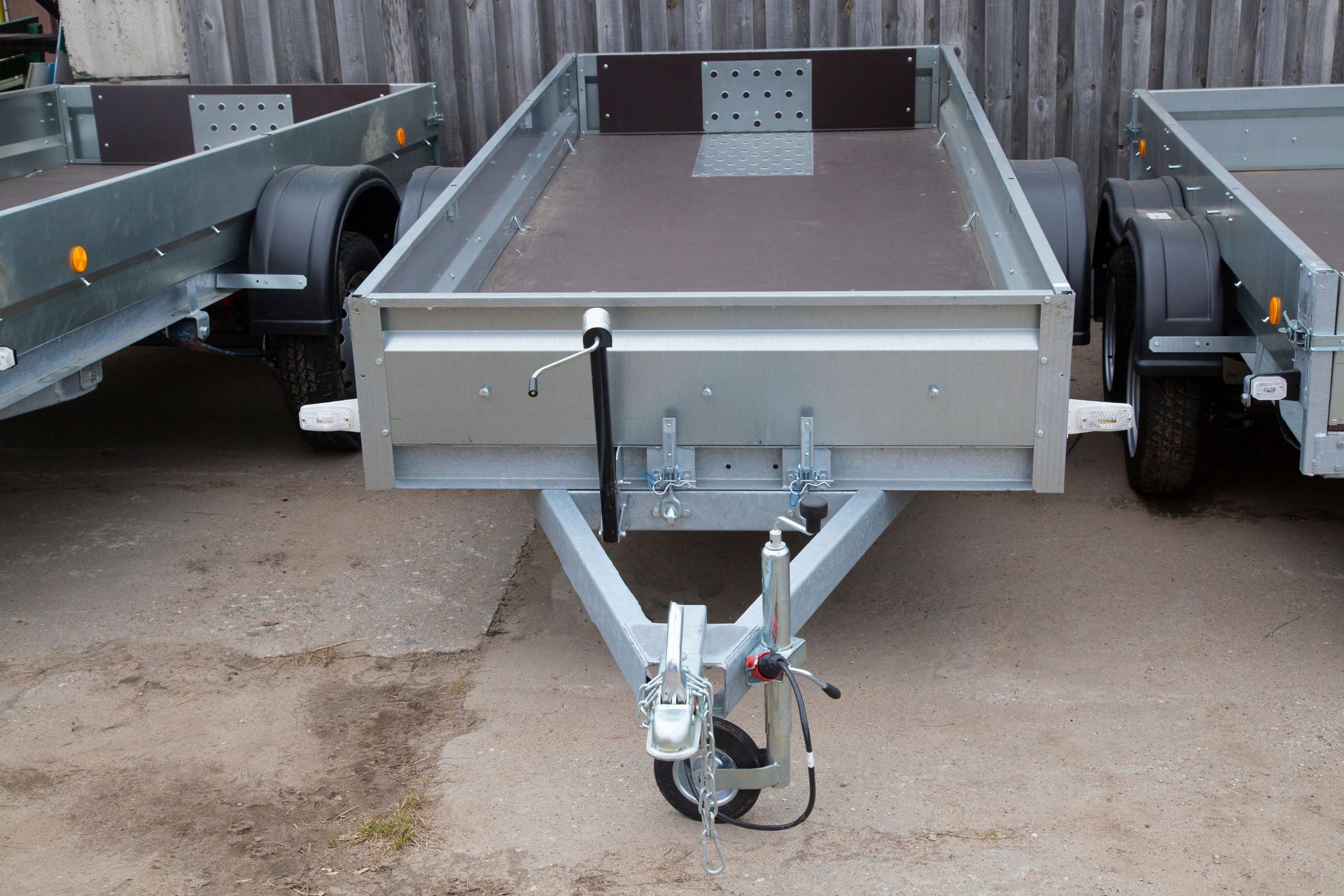
Hauling heavy loads, personal watercraft, jobsite equipment, or agricultural materials requires a towing setup that remains in peak mechanical condition at all times. Whether you depend on an open utility bed for weekend home projects or operate a heavy commercial cargo fleet for daily business operations, regular maintenance is essential to prevent dangerous breakdowns on the open road. Finding skilled technicians who understand structural integrity, complex electrical wiring, and braking mechanics makes all the difference when scheduling local trailer repairs. Quality service facilities possess the diagnostic tools, specialized machinery, and technical knowledge needed to address minor component wear long before it escalates into severe failure. Selecting a dedicated repair facility guarantees that your towing equipment receives comprehensive care tailored to your exact hauling demands.
Inspecting Brake and Axle Assemblies
Braking systems represent a vital safety component on any haulage setup operating on public highways. Professional technicians carefully evaluate electric, hydraulic, and surge brakes to ensure immediate stopping power under heavy payload conditions. Over extensive travel distances, friction linings wear down, fluid conduits degrade, and drums develop deep grooves that compromise stopping efficiency. Timely replacement of worn components prevents dangerous jackknifing and drastically reduces stopping distance when carrying maximum loads. Skilled mechanics perform thorough pressure tests and electrical resistance checks to confirm that every brake module operates in complete harmony with the primary towing vehicle.
Axle alignment and load capacity evaluations are equally essential during routine servicing schedules at professional facilities. Bent or misaligned axles cause rapid tire wear, unstable tracking, and severe structural vibration during high-speed transit. When seeking dependable local trailer repairs, equipment owners benefit from facilities equipped with precision alignment systems and heavy hydraulic presses capable of truing distorted structural steel. Proper axle care protects underlying suspension hardware and ensures smooth tracking directly behind your vehicle. Experienced mechanics evaluate load ratings and spindle conditions to keep every haul balanced and safe across challenging terrain.
Repairing Electrical and Lighting Components
Trailer electrical systems face continuous exposure to rain, road salt, mud, and extreme seasonal temperature fluctuations. Corroded wiring harnesses, faulty ground connections, and broken lamp lenses frequently cause sudden lighting failures that create serious hazards after sunset. Technicians utilize advanced multimeter testing to isolate hidden shorts, repair degraded ground points, and replace damaged wiring looms across the entire chassis. Upgrading older halogen fixtures to energy-efficient light-emitting diode units significantly enhances highway visibility while reducing electrical strain on the towing vehicle alternator.
Reliable signaling systems remain vital for public safety and regulatory compliance on public roads throughout every state. Non-functioning turn indicators, dark brake lamps, or loose connecting plugs can lead to immediate traffic citations and heightened collision risks. Choosing experienced specialists for local trailer repairs guarantees that complex wiring schematics are correctly interpreted and durable, weather-sealed connectors are installed. Proper wire routing through protected chassis channels prevents insulation abrasion and extends the operational lifespan of the entire electrical framework.
Servicing Suspension and Frame Structure
Suspension systems bear the immense weight of heavy cargo while dampening harsh road vibrations across rough asphalt and gravel paths. Leaf springs, equalizer bars, mounting shackles, and rubber bushings gradually suffer metal fatigue, stress cracking, or severe sagging over extensive mileage. Replacing worn leaf springs restores original ride height, balances weight distribution across every axle, and prevents frame scraping during transit over steep inclines. Dedicated service shops carefully inspect spring hangers and shackle bolts for excessive play or hole elongation that could lead to sudden structural collapse.
Frame integrity forms the structural foundation of every safe hauling operation, requiring careful examination for rust perforation, stress fractures, or twisted crossmembers. Expert welders utilize high-strength structural steel and specialized aluminum welding techniques to reinforce weakened chassis areas and repair damaged cargo tie-down points. Investing in professional local trailer repairs ensures that structural welds meet strict engineering standards and preserve maximum load capacity ratings. Preventive frame sealants and anti-corrosion coatings further protect the undercarriage against environmental exposure and harsh winter road chemicals.
Replacing Tires and Wheel Bearings
Tire blowouts represent a major cause of highway accidents involving towed equipment, making regular rubber inspections vital before every journey. Trailer tires feature stiffer sidewalls engineered specifically to handle heavy vertical loads, requiring specialized pressure checks and tread depth measurements. Technicians examine sidewalls for weather cracking, sidewall bulges, or uneven tread wear patterns that indicate improper inflation or underlying axle misalignment. Replacing aged or damaged tires with fresh high load capacity radial rubber preserves highway stability and minimizes rolling resistance during long-distance travel.
Wheel bearings require routine cleaning, repacking, and precise tension adjustment to prevent destructive friction buildup and catastrophic hub failure on the road. Contaminated grease or loose retaining nuts allow moisture inside the hub assembly, leading to rapid bearing degradation and wheel separation. Seeking qualified mechanics for local trailer repairs guarantees that bearings are thoroughly degreased, inspected for surface pitting, and repacked with high-temperature synthetic lubricant. Installing fresh, durable lip grease seals prevents lubricant leakage and keeps abrasive road grit out of critical rotating assemblies.
Upgrading Couplers and Towing Hitches
The connection point between the tow vehicle and trailer experiences continuous pulling force, road shock, and rotational torque during acceleration and braking maneuvers. Couplers can suffer latch mechanism wear, cracked housing metal, or bent locking pins after prolonged operational service life. Technicians test latch engagement mechanics and verify that the ball pocket fits snugly without excessive clearance or dangerous movement under load. Installing heavy-duty latch assemblies or upgrading to higher-capacity gooseneck couplers ensures rock-solid attachment under demanding road conditions.
Safety chains, emergency breakaway switches, and onboard battery power systems require equal attention during comprehensive hitch evaluations. Emergency breakaway systems immediately apply trailer brakes if the primary coupling disconnects, requiring functional onboard batteries and responsive switch contacts. Professional shops performing local trailer repairs test these emergency safety systems under simulated breakaway conditions to confirm immediate brake activation. Replacing frayed safety chains and upgrading to rated heavy-duty carabiners provides essential operational redundancy for peace of mind while traveling.
Maintaining Utility and Cargo Enclosures
Utility and cargo trailers perform a wide variety of demanding transportation tasks every day across the nation. According to Market Growth Reports, the U.S. utility trailer market sells roughly 120,000 new units annually, representing about 10% of total new trailer sales. With so many units active on the road, maintaining sidewalls, ramp gates, locking latches, and wooden flooring remains crucial for safe daily operation. Technicians repair damaged side panels, reinforce heavy loading ramp hinges, and replace rotted wooden floorboards to ensure structural integrity under heavy machinery loads.
Enclosed cargo units also require routine weatherproofing to shield valuable equipment from water intrusion, road spray, and wind damage during transit. Roof seams, side door weather stripping, and rooftop vent caps deteriorate over time, allowing moisture inside that damages cargo and rots floor structures. Requesting routine local trailer repairs from qualified specialists guarantees high-grade silicone sealing, roof membrane restoration, and latch mechanism lubrication. Proper enclosure care protects valuable cargo investments and extends the operational lifespan of your hauling equipment.
Maintaining a reliable trailer demands consistent attention to structural components, braking mechanisms, electrical wiring, and coupling systems. Partnering with a trusted service center protects your equipment investment, enhances road safety, and prevents frustrating travel delays caused by unexpected mechanical failures. Whether you need routine preventive maintenance, structural welding, or emergency brake service, choosing knowledgeable mechanics ensures that your equipment remains ready for any journey. If you are looking for expert service and dependable support for all your hauling needs, reach out to the friendly team at Howlands Trailers & Truck Accessories.